A substance added to soil to supply nutrients essential for plant growth.
🧪
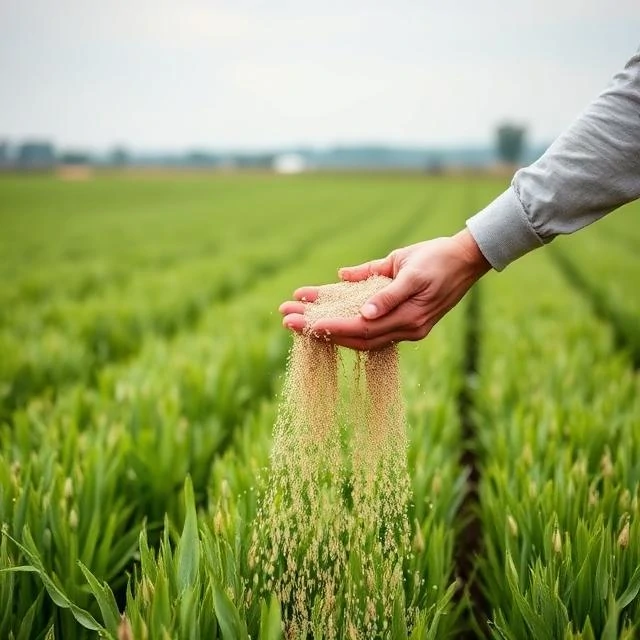
Fertilizer is any natural or synthetic substance added to soil or plants to supply essential nutrients for growth. The primary nutrients are nitrogen (N), phosphorus (P), and potassium (K), known as macronutrients, along with secondary nutrients such as calcium, magnesium, and sulphur, and micronutrients including iron, zinc, and boron. Organic fertilisers include manure, compost, bone meal, and fish emulsion; synthetic fertilisers include urea, ammonium nitrate, triple superphosphate, and potassium chloride. The modern fertiliser industry grew from 19th-century discoveries: Justus von Liebig's mineral theory of plant nutrition, the mining of Chilean nitrate, and the Haber-Bosch process of 1913, which synthesised ammonia from atmospheric nitrogen and revolutionised agriculture. Fertiliser use has roughly quadrupled global crop yields but has also caused environmental problems, including nitrate leaching, eutrophication of waterways, greenhouse gas emissions, and soil acidification. Balanced fertilisation, precision application, and organic sources are promoted to improve efficiency and reduce harm.
Comments
No comments yet. Be the first to share a thought.
Leave a comment