The removal of excess water from soil or farmland.
🚰
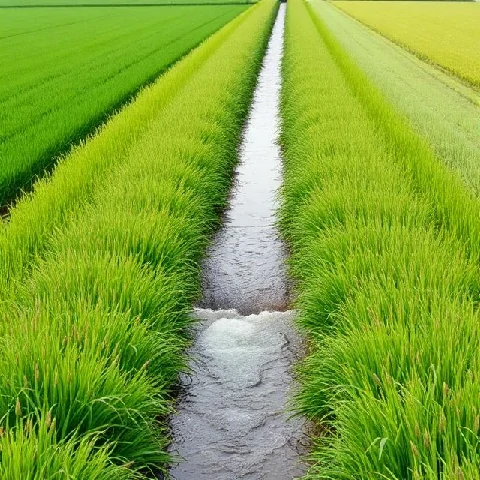
Drainage is the removal of excess water from soil or farmland to improve growing conditions for crops. Excess water fills soil pores, deprives roots of oxygen, delays planting, and reduces yields. Agricultural drainage may be surface, using open ditches and furrows, or subsurface, using buried perforated pipes or tiles that collect and convey water away. Subsurface tile drainage was pioneered in the United States and Europe in the 19th century and remains common in humid regions with heavy soils. Benefits include earlier spring planting, deeper rooting, reduced erosion, and higher yields; drawbacks include loss of wetlands, increased nutrient runoff—especially nitrates and phosphorus—and downstream water-quality problems such as algal blooms. Modern drainage systems often include controlled drainage structures and bioreactors to reduce nutrient losses. Drainage is also used to reclaim waterlogged and saline land, often combined with irrigation in arid regions to manage water tables and prevent salinisation.
Comments
No comments yet. Be the first to share a thought.
Leave a comment