The transfer of pollen between flowers of different plants.
🔄
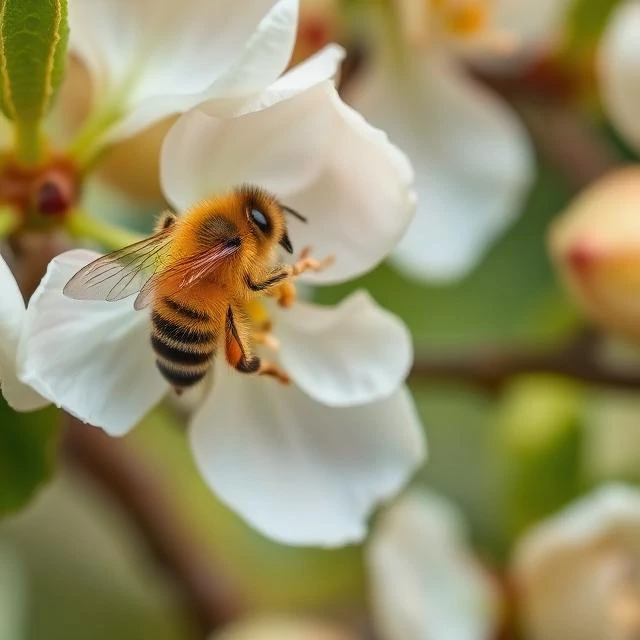
Cross-pollination is the transfer of pollen from the flower of one plant to the stigma of a flower on a different plant of the same species, resulting in genetic recombination in the offspring. It contrasts with self-pollination, where pollen transfers within the same flower or plant. Cross-pollination is facilitated by biotic vectors such as bees, butterflies, moths, birds, and bats, or by abiotic agents including wind and water. Many crops—including apples, pears, almonds, cucumbers, squash, and oilseed rape—depend on cross-pollination for good fruit set and yield, and growers often plant polliniser varieties or introduce honey bee hives. Mechanisms that promote cross-pollination include self-incompatibility, dichogamy (staggered timing of male and female organs), and heterostyly (different flower forms). Cross-pollination increases genetic diversity, which is important for crop adaptation and breeding. However, it can also cause unwanted gene flow between conventional, organic, and genetically modified crops, raising concerns about seed purity and coexistence.
Comments
No comments yet. Be the first to share a thought.
Leave a comment