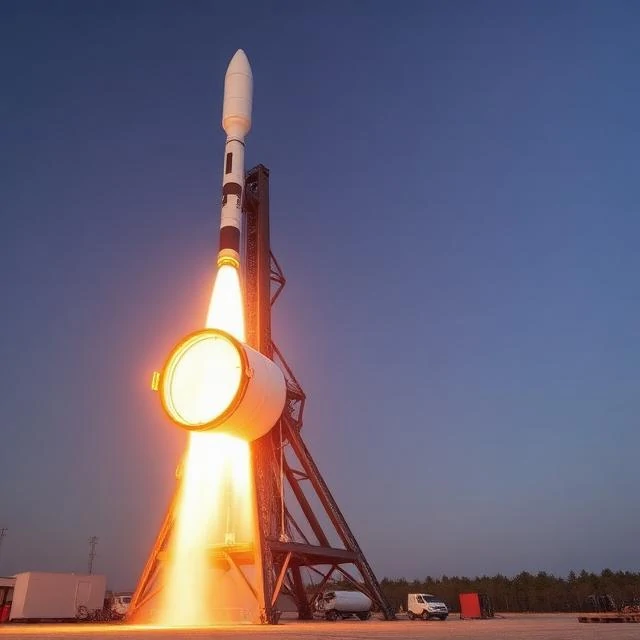
Fuel efficiency matters in space more than anywhere. Specific impulse measures how effectively a rocket converts propellant into thrust, expressed in seconds. Higher numbers mean more velocity change for the same amount of fuel.
The metric comes from dividing exhaust velocity by the standard acceleration of gravity. A kerosene rocket might achieve around 350 seconds. Hydrogen engines reach 450. Electric thrusters exceed 3,000, but they produce tiny thrust over long periods.
Typical values
- Solid rocket motors, around 250 seconds
- Kerosene and liquid oxygen, around 350 seconds
- Hydrogen and liquid oxygen, around 450 seconds
- Ion thrusters, thousands of seconds
Higher specific impulse does not always win. Electric thrusters take months to change orbit, which is useless for crewed launches. Mission planners balance efficiency against time and thrust requirements.
Comments (3)
Leave a comment