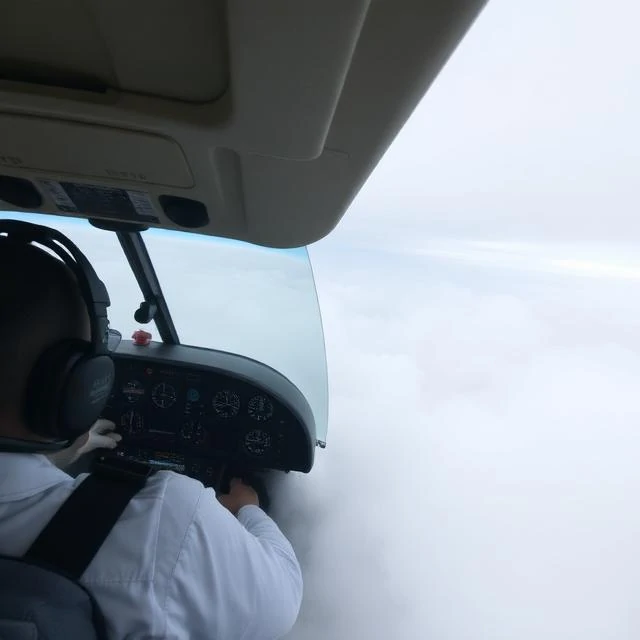
When the sky closes in, pilots switch rulebooks. Instrument Flight Rules govern flight conducted primarily by reference to cockpit instruments rather than outside visual cues. The transition happens when weather drops below visual minimums or when flying in controlled airspace that requires it.
IFR flight depends on air traffic control. Controllers issue clearances, assign altitudes, and keep IFR traffic separated. Pilots follow routes and procedures published for each airport and airway, and they must hold an instrument rating earned through additional training and testing.
Core requirements
- Instrument-rated pilot and current qualifications
- Properly equipped aircraft with certified instruments
- Filed flight plan and ATC clearance
- Adherence to published procedures
Alternate airports, fuel reserves, and approach minimums all factor into IFR planning. The rules are stricter because the safety margins are thinner when you cannot see outside. A pilot who loses instrument reference in cloud without training can become disoriented within seconds.
Comments
No comments yet. Be the first to share a thought.
Leave a comment