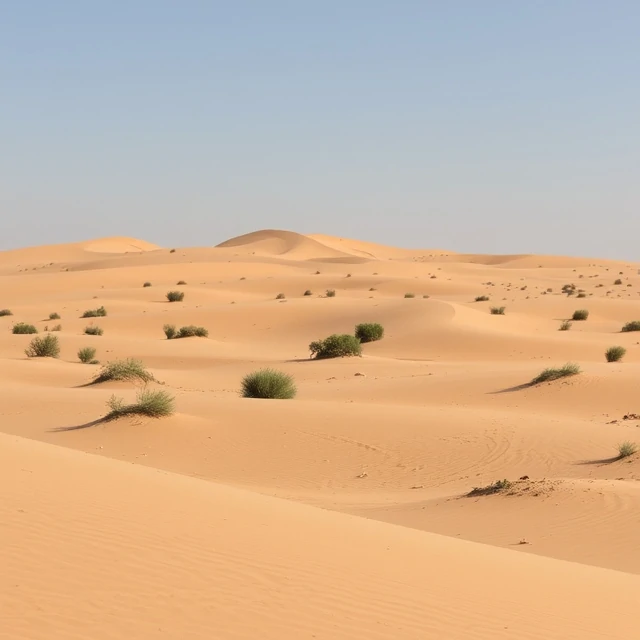
A biome is a large geographic region with a distinct climate and a characteristic community of plants and animals. Tropical rainforests, deserts, tundra, grasslands, and temperate forests are examples. Each biome is shaped by temperature and rainfall, which determine what can grow and what can live there. The same biome can appear on different continents. Tropical rainforests exist in South America, Africa, and Southeast Asia, with different species but similar structure and function.
Biomes are not fixed. They shift with climate change, sometimes gradually, sometimes abruptly. During the last ice age, tundra and steppe expanded across Europe and North America. As the climate warmed, forests moved north. Today, rising temperatures are pushing biomes toward the poles and up mountainsides. Species that cannot move fast enough may disappear. Human land use also fragments biomes, turning continuous forest into patches surrounded by farmland or cities.
Major terrestrial biomes
- Tropical rainforest: warm, wet, high diversity.
- Desert: dry, extreme temperatures, sparse vegetation.
- Grassland: moderate rainfall, grasses dominate.
- Tundra: cold, treeless, permafrost.
Biomes are useful because they let ecologists compare distant regions. A savanna in Kenya and a savanna in Australia share more than either shares with the rainforest next door.
Comments
No comments yet. Be the first to share a thought.
Leave a comment