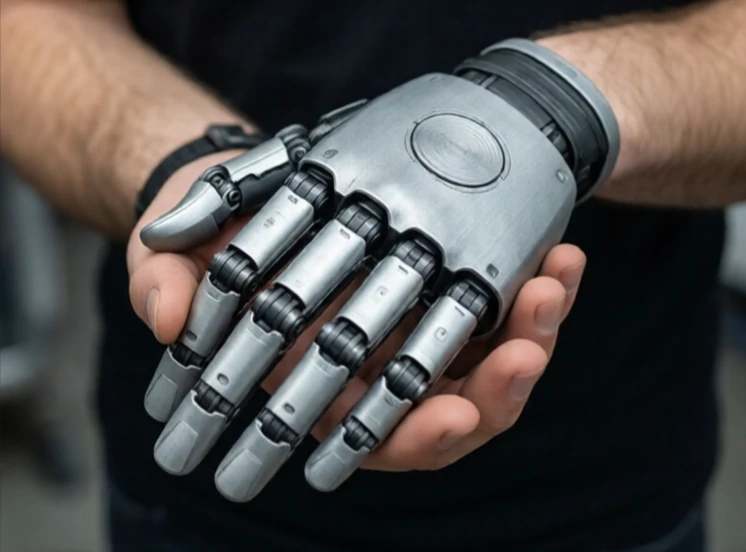
Three-dimensional printing creates physical objects from digital models layer by layer. It is also called additive manufacturing. Instead of cutting material away, it adds material. A nozzle deposits melted plastic, a laser fuses metal powder, or a resin cures under light. The object grows from the bottom up.
The technology dates to the 1980s. Chuck Hull invented stereolithography in 1984. Early machines were expensive and slow. Now desktop 3D printers cost a few hundred dollars. They print toys, tools, prosthetics, and prototypes. Industrial printers make rocket parts and dental implants.
Common 3D printing methods
- FDM: melted plastic filament
- SLA: resin cured by laser
- SLS: powdered nylon fused by laser
- SLM: metal powder melted by laser
- Material jetting: droplets of photopolymer
3D printing enables customization. A prosthetic can be fitted to one person. A rocket part can be redesigned and reprinted in days. It also enables distributed manufacturing. You can print a replacement part at home instead of ordering it. The factory is moving closer to the user.
Comments (3)
Leave a comment