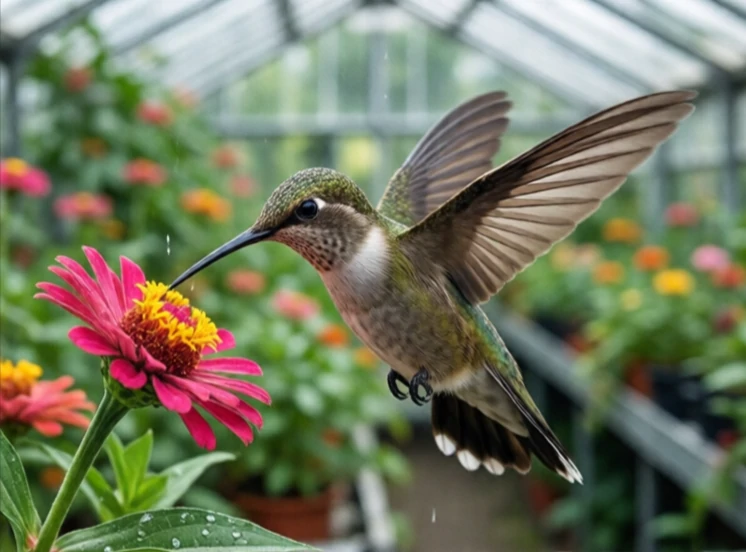
Biomimetics designs robots inspired by biological systems. Instead of reinventing movement from scratch, engineers study how animals and plants solve problems and copy the useful parts. The gecko's foot inspires climbing robots. The hummingbird's hover inspires micro air vehicles. The snake's locomotion inspires search-and-rescue robots that slither through rubble.
The field goes back to Leonardo da Vinci's flying machine sketches, but it accelerated in the late twentieth century as materials and control systems caught up with biological designs. Roboticists now collaborate with biologists, studying everything from insect flight to fish swimming to human tendon mechanics.
What biomimetics has produced
- Gecko-inspired adhesives for climbing robots.
- Bird-inspired drones with flapping wings.
- Snake robots for confined-space inspection.
- Fish-inspired underwater vehicles with silent propulsion.
- Humanoid hands with tendon-like actuation.
Copying nature is not always the best engineering choice. Evolution optimizes for survival, not for manufacturability. A gecko's foot is complex and self-cleaning. A synthetic version may be simpler and less capable but easier to produce. The value of biomimetics is not imitation for its own sake. It is a source of ideas that human engineers might not think of. Nature has been running experiments for billions of years. It is worth paying attention.
Comments
No comments yet. Be the first to share a thought.
Leave a comment