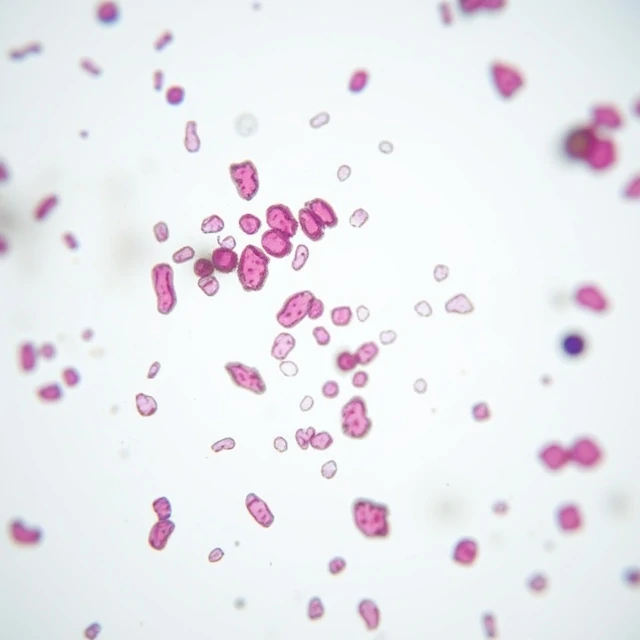
Invisible life forms shape human health for better and worse. A bacterium is a single-celled microorganism that lacks a nucleus and that can live independently, in colonies, or inside other organisms.
Many bacteria are harmless or beneficial, aiding digestion and excluding pathogens. Others produce toxins or invade tissues and cause disease ranging from mild skin infection to sepsis. Shape, staining properties, and oxygen requirements help laboratories classify them and guide antibiotic choice.
Bacterial infections remain among the most common reasons for medical consultation worldwide. Vaccines, sanitation, and antibiotics have dramatically reduced their toll, yet resistance and emerging pathogens continue to challenge clinicians. Distinguishing bacterial from viral illness avoids unnecessary antibiotic exposure.
- Single-celled microorganism without a nucleus
- Can be beneficial, harmless, or pathogenic
- Classified by shape, stain, and metabolism
- Targeted by antibiotics and some vaccines
Comments
No comments yet. Be the first to share a thought.
Leave a comment