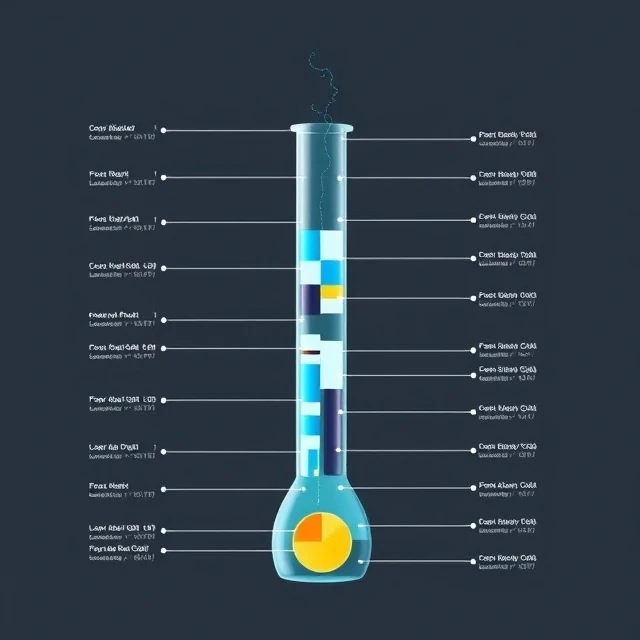
An oil refinery turns crude oil into useful products. Crude is a mix of hydrocarbons, from light gases to heavy tar. Refineries separate and transform these molecules into gasoline, diesel, jet fuel, lubricants, asphalt, and petrochemical feedstocks.
The first step is distillation. Crude is heated in a tall column. Different fractions vaporize at different temperatures and condense at different heights. Lighter products rise to the top. Heavier ones stay lower. Further processing cracks, reforms, and treats the fractions to meet fuel standards and remove sulfur.
Refineries are vast and complex. A large one covers several square kilometers and processes hundreds of thousands of barrels per day. They run continuously for years between major shutdowns. Safety and environmental controls are extensive. Fires and spills still occur. Refineries are also major emitters, both from burning fuel and from flaring waste gas.
Common products
- Gasoline
- Diesel
- Jet fuel
- Lubricants
- Asphalt and petrochemicals
Comments (3)
Leave a comment