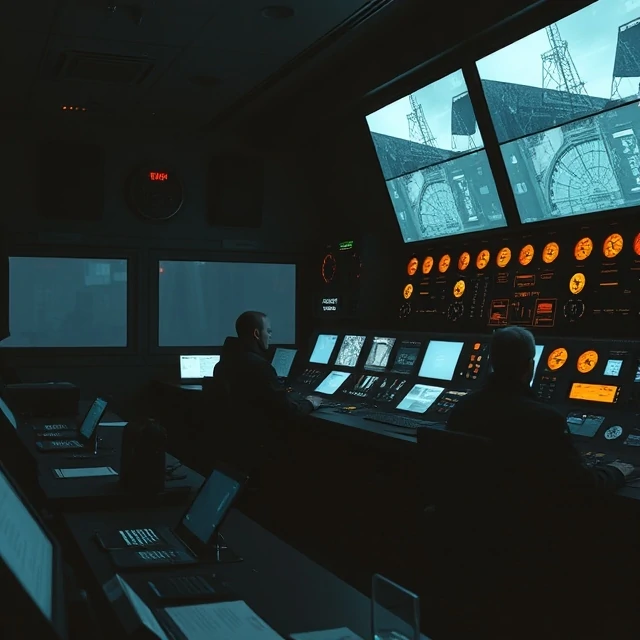
A nuclear reactor controls fission to generate heat, which makes steam, which spins turbines. The core holds fuel rods, control rods, and coolant. Operators adjust control rods to regulate the reaction. The heat is carried to a steam generator or directly to a turbine.
Reactors come in several designs. Pressurized water reactors dominate the global fleet. Boiling water reactors are common too. Canada uses heavy water reactors. Advanced designs include small modular reactors, which are factory-built and shipped to site. Each design has trade-offs in cost, safety, and fuel use.
Safety is the central concern. Multiple barriers keep radioactive material contained: fuel cladding, a pressure vessel, a containment building. Redundant cooling systems prevent overheating. Operators train for years. Despite these measures, accidents happen. Three Mile Island, Chernobyl, and Fukushima each changed how the industry thinks about risk.
Key components
- Fuel rods
- Control rods
- Moderator
- Coolant
- Containment structure
Comments (2)
Leave a comment