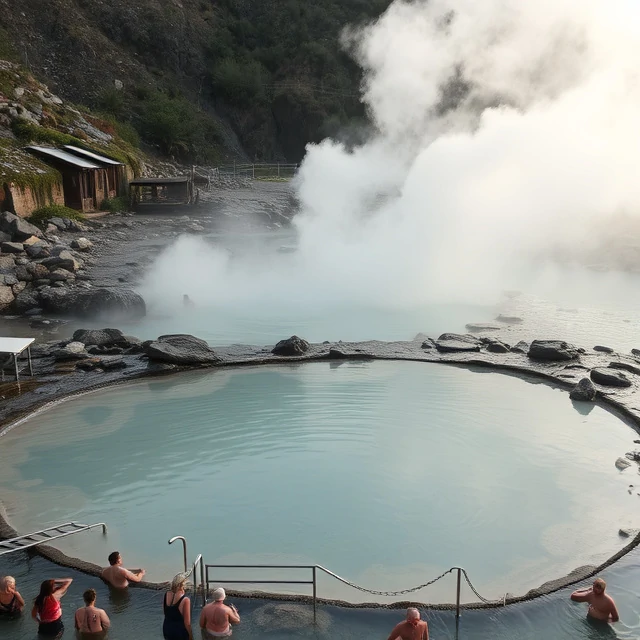
Geothermal energy comes from heat inside the Earth. The core is hot, and that heat flows outward. In some places, it reaches the surface as steam or hot water. In others, it lies deep underground and must be drilled for. People have used hot springs for bathing for millennia. Today, geothermal plants generate electricity and heat buildings.
Three main technologies exist. Dry steam plants use steam directly from the ground. Flash plants depressurize hot water into steam. Binary plants transfer heat to a fluid with a lower boiling point. Binary plants can use lower-temperature resources and are the most common new design.
Geothermal has advantages. It runs day and night, regardless of weather. It has a small land footprint. It produces very few emissions. The limits are location and cost. High-quality resources are concentrated near tectonic boundaries. Drilling is expensive and risky. Enhanced geothermal systems, which fracture hot dry rock, could expand the map, but the technology is still developing.
Common uses
- Electricity generation
- District heating
- Greenhouses
- Industrial processes
- Geothermal heat pumps
Comments
No comments yet. Be the first to share a thought.
Leave a comment