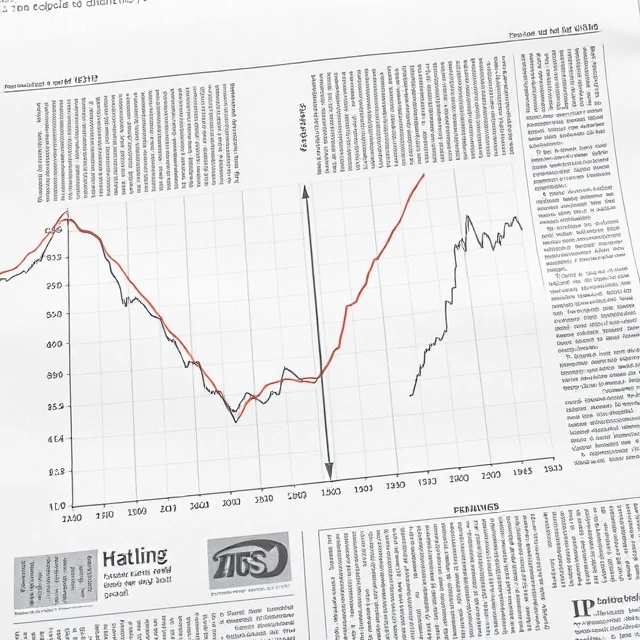
Income inequality gets most of the headlines, but wealth distribution is starker. Wealth is what a household owns, homes, savings, stocks, businesses, minus what it owes. Income is what flows in each year. In the United States, the top 10 percent of households hold roughly 70 percent of all wealth. The bottom half holds almost none. The gap has widened since the 1980s and shows no sign of closing.
Several forces drive the concentration. Asset prices have risen faster than wages, so those who own stocks and real estate pull ahead. Inheritance passes advantage from one generation to the next. Tax systems in many countries tax labor income more heavily than capital gains. And access to credit, education, and networks is uneven, so the starting line is not the same for everyone.
Wealth matters more than income for long-term security. A family with savings can weather a layoff, buy a home, and fund a child's education. A family living paycheck to paycheck cannot. Wealth also buys political influence, which can shape the rules in favor of those who already have the most. Whether that concentration is a problem or a price worth paying for growth is one of the sharpest divides in economics.
Wealth measures
- Gini coefficient for wealth
- Top 1 percent wealth share
- Median household net worth
- Intergenerational wealth transfer
- Homeownership rates
Comments
No comments yet. Be the first to share a thought.
Leave a comment