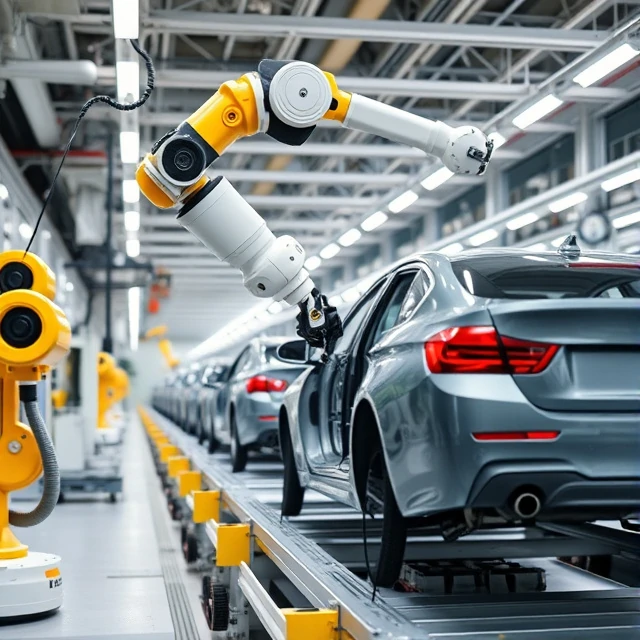
A fisherman with bare hands can catch only so much. Give him a net, a boat, and a cold storage unit, and his catch multiplies. Those tools are capital: man-made resources used to produce other goods and services. They are not consumed directly like a sandwich or a haircut. They are used again and again to make more stuff.
Capital comes in many forms. A factory, a delivery van, a laptop, a hydroelectric dam, a software license. Even a worker's training can be considered human capital, though economists often treat that separately. What matters is that capital is created by people, not found in nature. Land is a natural resource. Capital is what we build on it.
Building capital requires sacrifice. Someone has to save instead of spend, or borrow against future income, to pay for machines and buildings today. That is why investment and saving are so closely linked in economic theory. Countries that invest steadily tend to grow faster, up to a point. Too much capital in the wrong place, like empty apartment towers in a speculative boom, wastes resources instead of creating value.
Examples
- Machinery and factory equipment
- Buildings and infrastructure
- Vehicles and tools
- Software and intellectual property
- Inventories of raw materials
Comments (3)
Leave a comment