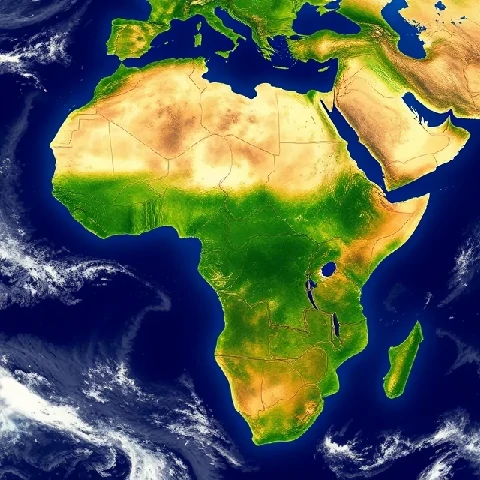
Productivity measures the rate at which an ecosystem generates organic matter. It is the speed at which plants convert sunlight into biomass through photosynthesis. Gross primary productivity is the total amount of organic matter produced. Net primary productivity is what remains after plants use some of it for their own respiration. The difference is what supports herbivores, decomposers, and the rest of the food web. Productivity is usually measured in grams of carbon per square meter per year.
Productivity varies widely. Tropical rainforests and coral reefs are among the most productive ecosystems on Earth. Deserts and tundra are the least. Productivity depends on sunlight, water, nutrients, and temperature. Where any of these is scarce, productivity drops. Ocean productivity is often limited by iron or nitrogen. Terrestrial productivity is often limited by water or phosphorus. Scientists track productivity from satellites, measuring the greenness of vegetation over time. These measurements help monitor droughts, deforestation, and climate impacts.
Types of productivity
- Gross primary productivity: total photosynthesis.
- Net primary productivity: after plant respiration.
- Secondary productivity: biomass created by consumers.
- Standing crop: biomass present at one time.
Productivity is not the same as biodiversity. A productive ecosystem can support many species, but productivity alone does not guarantee variety.
Comments (2)
Leave a comment