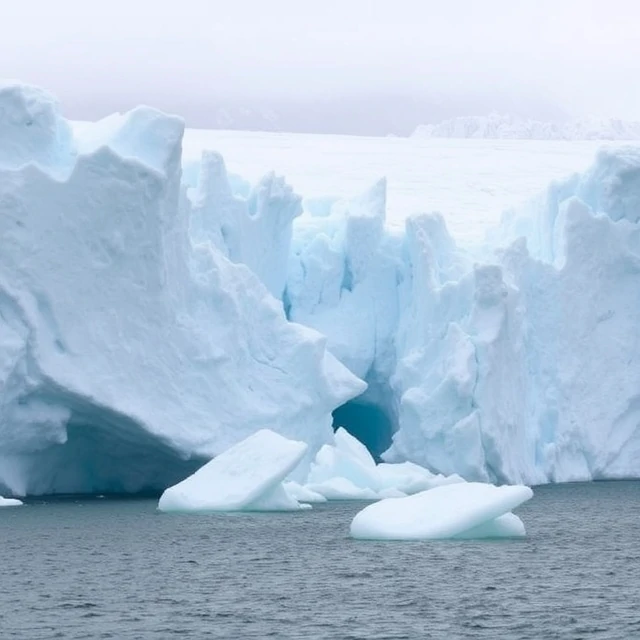
Earth's average surface temperature has risen about 1.1 degrees Celsius since the late 19th century. That rise is global warming, and it is driven mainly by human emissions of greenhouse gases. Carbon dioxide from burning coal, oil, and gas is the largest contributor. Methane from agriculture and fossil fuel extraction adds more. These gases trap heat that would otherwise escape to space. The result is a warmer atmosphere, warmer oceans, and melting ice.
The warming is not uniform. The Arctic is heating several times faster than the global average. Land warms faster than oceans. Nighttime temperatures rise faster than daytime ones. These patterns matter because they drive changes in weather, ecosystems, and sea level. Warmer air holds more moisture, which can intensify heavy rainfall. Warmer oceans fuel stronger hurricanes. Melting glaciers and ice sheets raise sea levels, threatening coastal cities. Scientists project that without rapid emission cuts, warming could reach 2 to 4 degrees Celsius by 2100.
Main drivers
- Fossil fuel combustion for energy and transport.
- Deforestation and land-use change.
- Agriculture, especially livestock and fertilizer.
- Industrial processes like cement production.
Global warming and climate change are related but not identical. Warming is the temperature rise. Climate change is the broader set of effects that follow from it.
Comments (3)
Leave a comment