Barnacles attach themselves to a whale's skin. The whale is unaffected. The barnacles get a moving home and access to nutrient-rich water. That is commensalism, a relationship where one species benefits and the other is neither helped nor harmed. The term comes from the Latin com, meaning together, and mensa, meaning table. It literally means eating at the same table.
Commensalism is common in nature but hard to prove. Demonstrating that a relationship is truly neutral for one partner requires long-term study. Some cases once labeled commensal turned out to be parasitic or mutualistic on closer inspection. Cattle egrets follow grazing cattle and eat insects flushed from the grass. The birds benefit. The cattle may benefit by having pests eaten, or they may be unaffected. The line between commensalism and mutualism is often blurry.
Common examples
- Barnacles on whales and turtles.
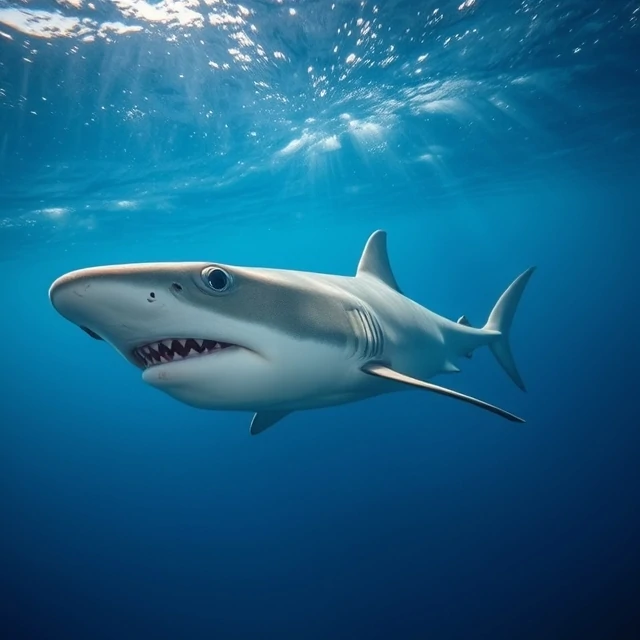
- Remoras attached to sharks.
- Birds nesting in tree hollows.
- Hermit crabs using discarded shells.
Commensalism is one of several ways species interact, alongside competition, predation, mutualism, and parasitism. In real ecosystems, the categories overlap and shift with conditions.
Comments (3)
Leave a comment