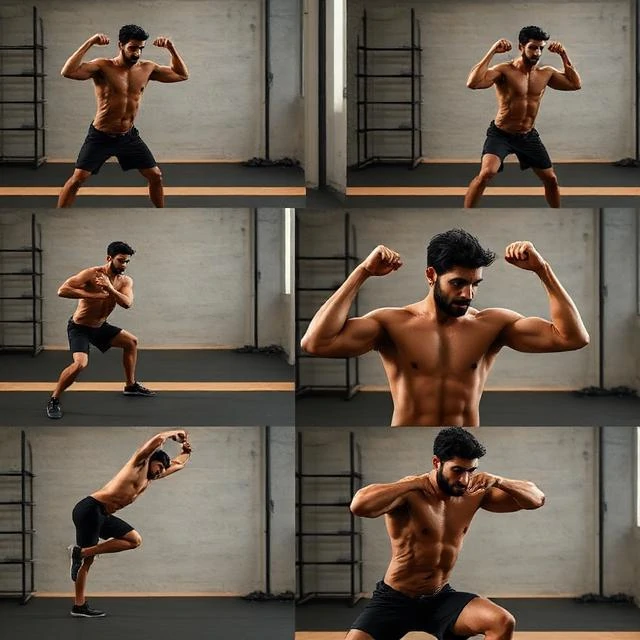
A montage compresses time. It is a sequence of short shots edited together to convey a lot of information in a short period. A training montage shows a character getting stronger over weeks or months. A montage can show a couple falling in love, a city waking up, or a team preparing for a mission. It is one of the most efficient tools in cinema. It can cover days, months, or years in a few minutes.
The montage has several forms. The Soviet montage theory, developed by Sergei Eisenstein, argued that the juxtaposition of shots creates meaning. A shot of a face followed by a shot of a bowl of soup creates the idea of hunger. The Hollywood montage is more commercial. It uses music, quick cuts, and visual variety to convey a passage of time or a process. The training montage in Rocky is a classic example. The opening montage in Up compresses a lifetime of marriage into a few minutes. Each form has its own purpose.
The montage is not just about speed. It is about rhythm. The length of each shot, the pace of the cuts, and the music all contribute to the effect. A fast montage feels urgent. A slow montage feels reflective. The editor controls the rhythm. The director controls the content. Together they create a sequence that can be emotional, informative, or exhilarating. The montage is a signature technique of cinema.
Comments
No comments yet. Be the first to share a thought.
Leave a comment