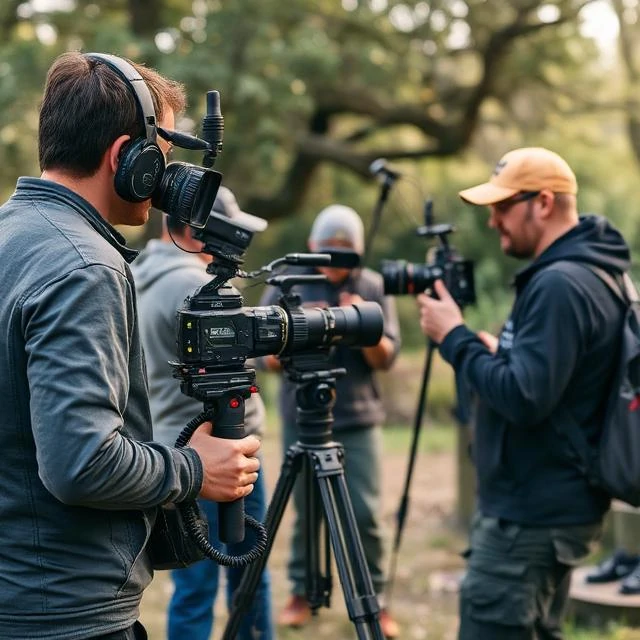
A documentary presents real events, people, or issues. It is non-fiction, but it is not objective. The filmmaker chooses what to show, what to omit, and how to frame it. Every documentary has a point of view, even if it claims neutrality. The form is as constructed as fiction, but it is built from real material. That tension is what makes documentaries powerful and controversial.
Documentaries come in many styles. Observational documentaries, like Frederick Wiseman's films, watch without narration or interviews. Expository documentaries, like nature films, use narration to explain. Participatory documentaries, like Michael Moore's films, put the filmmaker in the story. Reflexive documentaries examine the filmmaking process itself. Performative documentaries use personal experience and emotion. Each style has its own conventions and its own truth claims.
Documentaries can inform, persuade, entertain, and provoke. They can expose injustice, celebrate achievement, and explore the human condition. They can be shot over years, like Hoop Dreams, or in a single day. They can be made with a smartphone or a full crew. The form is flexible and evolving. The best documentaries do not just record reality. They interpret it.
Comments (3)
Leave a comment