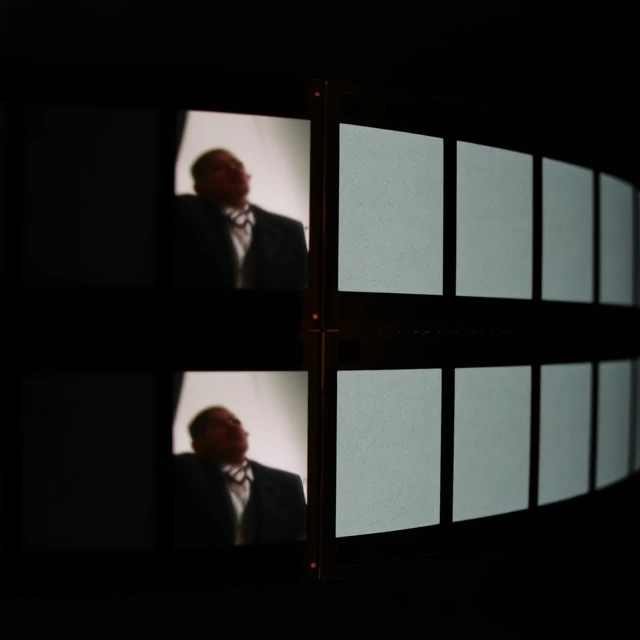
The cut is the most basic transition in film. One shot ends, and another begins. It is abrupt and immediate. There is no fade, no dissolve, no wipe. The image simply changes. The cut is so common that audiences barely notice it. But it is the foundation of film language. Without the cut, cinema would be limited to single continuous shots.
The cut works because the human brain fills in the gaps. If a character looks at a door in one shot and the next shot shows the door, the audience understands that the character is looking at the door. That is the Kuleshov effect. The meaning is created by the juxtaposition, not by the individual shots. The cut is a tool for constructing meaning.
Cuts come in several types. A hard cut is the standard, immediate transition. A jump cut breaks continuity by cutting between two similar shots, creating a disorienting effect. A match cut connects two shots through a visual or thematic similarity, like the bone-to-spaceship cut in 2001: A Space Odyssey. A cutaway cuts to a related but separate image, then returns. Each type has its own effect.
The cut is not just a technical operation. It is a creative choice. The timing, the rhythm, and the placement of cuts determine the pace and the feel of a film. An editor earns their keep by knowing when to cut and when to hold.
Comments (2)
Leave a comment