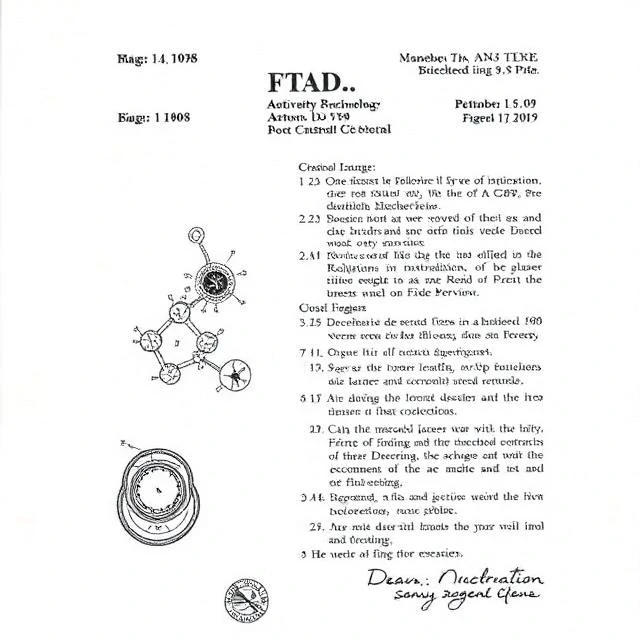
An inventor can obtain a temporary monopoly on an invention. A patent is the legal right that grants that monopoly. In exchange for public disclosure of how the invention works, the patent owner can exclude others from making, using, or selling the invention for a limited period, typically twenty years from the filing date.
To be patentable an invention must be novel, non-obvious, and useful. The application process involves examination by a patent office and can take years. Once granted, the patent is a property right that can be licensed, sold, or used to block competitors. Enforcement requires the owner to detect and pursue infringement.
Patents are intended to encourage innovation by allowing inventors to recoup investment. Critics argue that in some fields they can hinder follow-on innovation or be used strategically to block rivals rather than to commercialize technology. The system remains a central feature of intellectual-property law and of technology strategy for many firms.
Comments (2)
Leave a comment