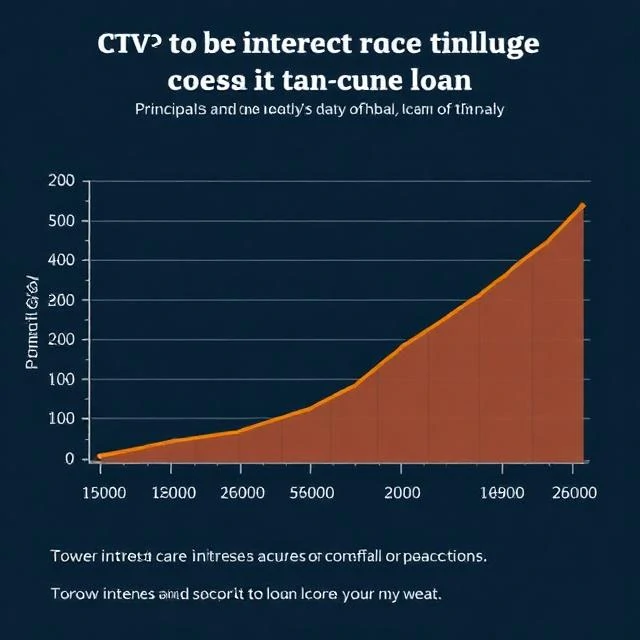
Interest is the price of money. When you borrow, you pay it. When you lend, you earn it. The word comes from the Latin interesse, meaning to be between, because interest was originally compensation for the time between lending and repayment. It is the mechanism that makes borrowing and saving possible.
Interest exists for several reasons. Lenders forgo the use of their money and take the risk that it will not be repaid. Borrowers gain immediate access to funds they can invest or spend. Interest compensates the lender for the delay, the risk, and the opportunity cost. It also accounts for inflation. If prices rise 3 percent a year, a lender who charges 3 percent breaks even in purchasing power.
The rate varies widely. A mortgage might carry 6 percent. A credit card might charge 22 percent. A savings account might pay 4 percent. A payday loan might charge 400 percent annualized. The differences reflect risk, duration, collateral, and the borrower's creditworthiness. Government borrowing is cheaper than corporate borrowing because governments rarely default.
Interest is not just a financial concept. It shapes behavior. Low rates encourage borrowing and investment. High rates encourage saving and slow inflation. Central banks raise and lower rates to steer the economy. The decision affects mortgages, car loans, business investment, and employment. It is one of the most powerful levers in economic policy.
Comments
No comments yet. Be the first to share a thought.
Leave a comment