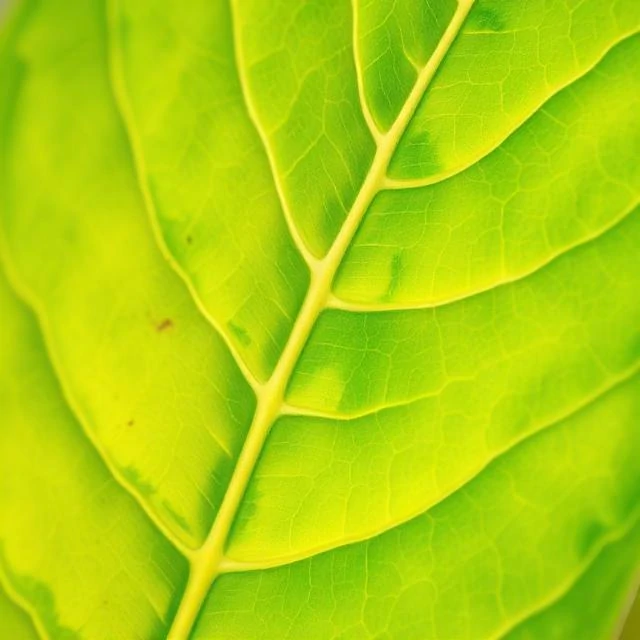
Plants need some elements in large amounts: nitrogen, phosphorus, potassium, calcium, magnesium, sulphur. Others are needed in tiny quantities. These are the micronutrients: boron, chlorine, copper, iron, manganese, molybdenum, nickel, and zinc.
Small does not mean unimportant. Iron drives chlorophyll formation, and a deficiency shows up as yellow leaves with green veins. Boron is critical for pollen tube growth and fruit set. Zinc affects enzyme function and stem elongation. Manganese and copper are involved in photosynthesis and disease resistance. Molybdenum is required by the nitrogen-fixing enzyme in legumes.
Deficiency and toxicity
- Deficiencies often appear on specific soil types: iron on chalky soils, boron on sandy ones
- Symptoms can mimic disease or drought stress
- Soil tests and leaf analysis are the reliable diagnostics
- The line between enough and too much is narrow
Applying too much micronutrient can be worse than a deficiency. Copper and boron become toxic quickly. Small, targeted applications, often as foliar sprays, are the usual approach.
Comments
No comments yet. Be the first to share a thought.
Leave a comment