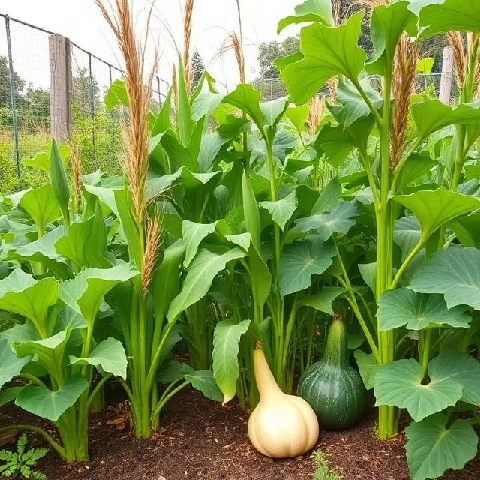
Intercropping means growing two or more crops in the same field at the same time. The rows might alternate, or one crop might fill the gaps between another.
The practice is as old as farming itself. Maize, beans, and squash planted together, the Three Sisters of Native American agriculture, are the classic example. Beans climb the maize stalks and fix nitrogen. Squash spreads along the ground and shades out weeds. Each crop uses a different layer of light, water, and root space.
Why farmers do it
- Spreads risk: if one crop fails, the other may not
- Uses sunlight and soil more efficiently than a single crop
- Cuts pest pressure by breaking up the scent and colour of a host crop
- Improves soil cover and reduces erosion
Intercropping complicates everything downstream. Planting, spraying, and harvesting are harder when two crops share a field. That is why it thrives on smaller, labour-intensive farms and struggles on large mechanised ones.
Comments (3)
Leave a comment