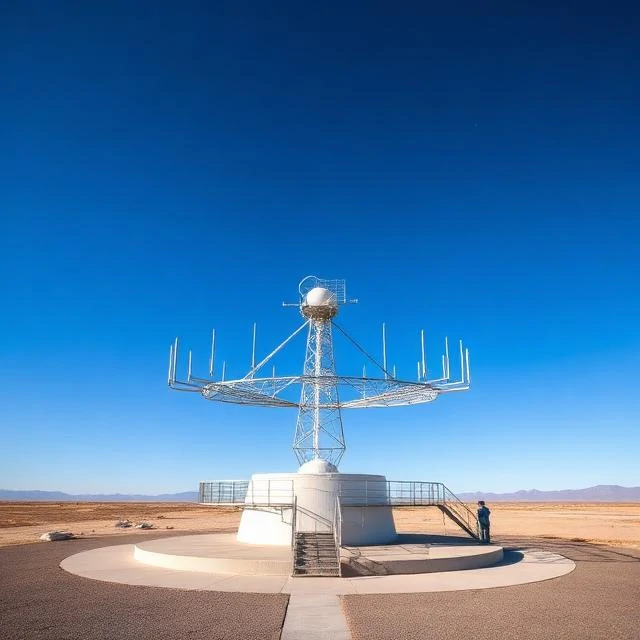
Before GPS, pilots navigated by radio. VOR stations broadcast signals on very high frequencies, and aircraft receivers interpret those signals to determine which radial the aircraft is flying along. A network of stations covered most of the developed world, and many remain in service today.
Each station transmits on a specific frequency and is identified by a three-letter code in Morse. Pilots tune the frequency, listen to confirm the station, then fly toward or away from it along a chosen radial.
VOR components and uses
- Ground station with a rotating signal
- Airborne receiver and display
- Radials defining airways and approaches
- Distance measuring equipment for range
VOR is line-of-sight, so reception degrades at low altitude or long distance. GPS has largely replaced it for en route navigation, but VOR still serves as a backup and supports many published instrument procedures.
Comments
No comments yet. Be the first to share a thought.
Leave a comment