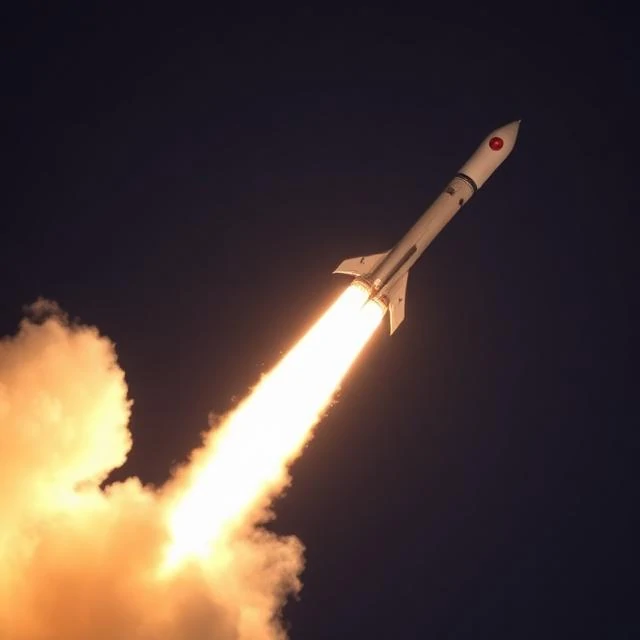
Rockets shed weight as they climb. Staging makes that shedding deliberate. When a stage runs out of propellant, it separates and falls away, and the next stage ignites. The vehicle gets lighter with each step.
The alternative, a single-stage-to-orbit design, has been pursued for decades with limited success. The mass ratio needed is punishing, and every kilogram of structure competes directly with payload.
Common staging arrangements
- Serial staging with stacked cores
- Parallel staging with strap-on boosters
- Three-stage configurations for escape missions
- Reusable first stages that fly back and land
Separation events are among the most dangerous moments of a launch. Explosive bolts, pneumatic pushers, and small retrorockets must work in perfect sequence. A stage that fails to separate cleanly can doom the mission in seconds.
Comments
No comments yet. Be the first to share a thought.
Leave a comment