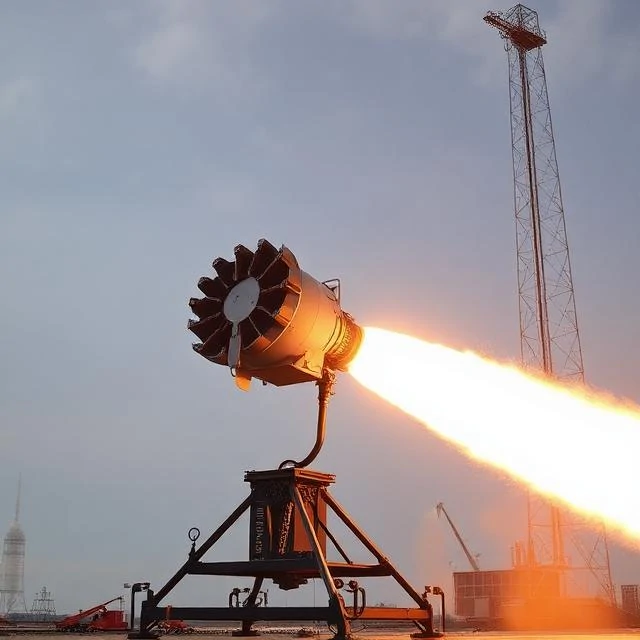
Jet engines breathe air. Rocket engines do not. They carry their own oxidizer along with fuel, which lets them burn in vacuum and produce thrust anywhere in the solar system.
Thrust comes from expelling mass at high speed. The faster the exhaust and the more mass expelled per second, the greater the thrust. Specific impulse measures how efficiently an engine converts propellant into velocity change.
Common engine cycles
- Gas generator, simple and reliable
- Staged combustion, higher efficiency
- Expander cycle, used on some upper stages
- Electric propulsion, low thrust but very efficient
Cooling is a constant challenge. Combustion temperatures exceed the melting point of most metals, so engines use regenerative cooling, film cooling, or ablative liners to survive. A single engine can fire for seconds or for many minutes, depending on the mission.
Comments
No comments yet. Be the first to share a thought.
Leave a comment