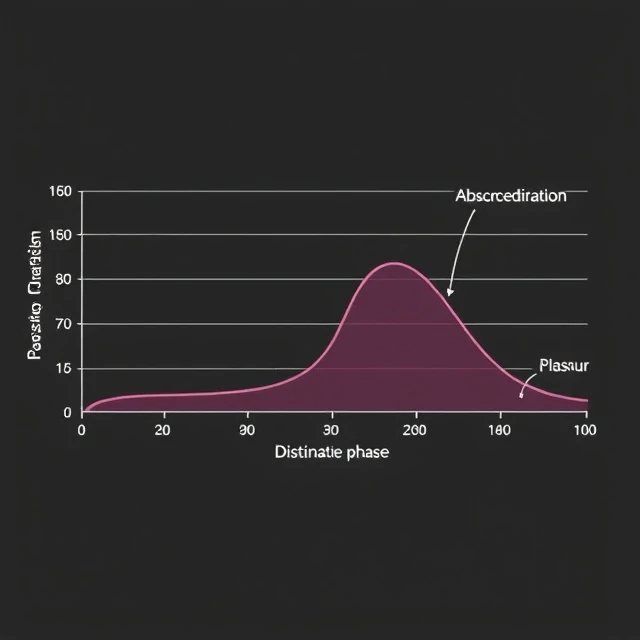
Pharmacokinetics is the study of what the body does to a drug. It breaks down into four processes: absorption, distribution, metabolism, and excretion, often abbreviated ADME. Together, these determine how much drug reaches its target, how long it stays there, and how quickly it is cleared. The field is quantitative, using mathematical models to describe concentration changes over time.
The core parameters are clearance, volume of distribution, and half-life. Clearance is the volume of blood cleared of drug per unit time. Volume of distribution is a theoretical number reflecting how widely the drug spreads through the body. Half-life is the time for the concentration to fall by half. These parameters determine the dosing regimen: how much drug to give and how often. They also explain why some drugs need a loading dose to reach therapeutic levels quickly, while others are given as a maintenance dose from the start.
Key parameters:
- Absorption. How the drug enters the bloodstream.
- Distribution. How the drug moves into tissues.
- Metabolism. How the drug is chemically modified.
- Excretion. How the drug leaves the body.
- Clearance and half-life. How fast the drug is removed.
Pharmacokinetics varies between patients because of age, weight, genetics, kidney function, liver function, and drug interactions. Therapeutic drug monitoring uses pharmacokinetic principles to adjust doses for drugs with narrow therapeutic windows.
Comments
No comments yet. Be the first to share a thought.
Leave a comment