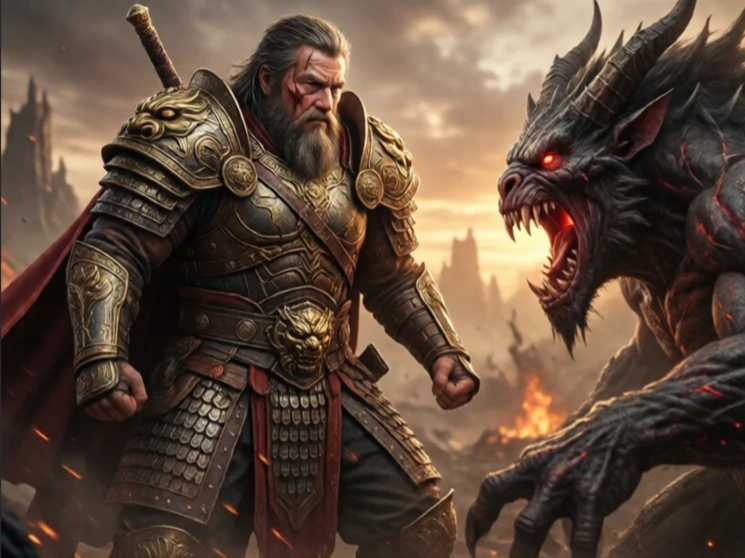
An epic hero is the central figure of an epic poem—a character of high status whose extraordinary deeds and qualities embody the values of a culture. The hero’s actions affect the fate of a people or even of humanity.
Achilles, Odysseus, Aeneas, and Beowulf are classic examples. They possess superhuman strength or cunning, yet they also face human limitations and moral tests. The epic hero often receives aid or hindrance from the gods, undertakes a journey or quest, and confronts monsters, rivals, or the forces of nature. Reputation and honor are typically central concerns. Later literature has complicated the type, producing reluctant, flawed, or anti-heroic versions, yet the original pattern remains recognizable.
The epic hero is larger than ordinary life but not beyond identification. Readers or listeners are invited to admire, to measure themselves against the hero, and to see their own culture reflected in idealized form. The hero’s eventual fate—triumph, death, or apotheosis—carries collective meaning.
The figure whose story is vast enough to carry the weight of an entire people’s imagination is the epic hero.
Comments
No comments yet. Be the first to share a thought.
Leave a comment