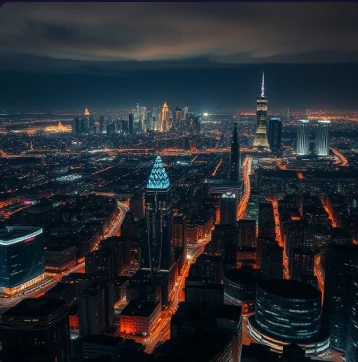
In 1800, about 3% of the world's population lived in cities. Today, it is over 55%. Urbanization is the increasing proportion of people living in cities. It is driven by rural-to-urban migration and natural population growth in cities. It is one of the most significant social transformations in human history.
Urbanization accompanies industrialization. Factories draw workers from farms. Cities offer jobs, education, and services. But rapid urbanization can overwhelm infrastructure. Slums grow. Traffic chokes. Pollution rises. Governments struggle to keep up.
Consequences of urbanization
- Economic growth and innovation
- Strain on housing, water, and sanitation
- Environmental pollution and carbon emissions
- Social diversity and cultural mixing
- Inequality between formal and informal settlements
Urbanization is not uniform. Some cities plan for growth. Others do not. Curitiba, Brazil, is known for sustainable transit. Lagos, Nigeria, struggles with informal settlements. The difference is political will and resources.
Comments
No comments yet. Be the first to share a thought.
Leave a comment