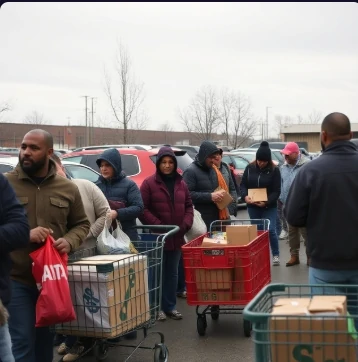
Poverty is the state of lacking sufficient financial resources for basic needs. It is measured in different ways. Absolute poverty uses a fixed threshold, like $2.15 a day. Relative poverty compares income to the societal median. Both reveal hardship, but they tell different stories.
Poverty is not just about money. It affects health, education, housing, and political voice. Poor people die younger, get sick more often, and have less access to good schools. They are also more likely to be victims of crime and environmental hazards.
Dimensions of poverty
- Income poverty: below a set threshold
- Material deprivation: lack of durable goods, housing quality
- Social exclusion: isolation from institutions and networks
- Capability deprivation: limited opportunity to live a valued life
Poverty is structural, not just individual. It results from labor markets, discrimination, housing policy, and education funding. Countries with strong social safety nets have lower poverty rates than those without. The U.S. has high poverty for a rich country, partly because of weak welfare and healthcare systems.
Comments
No comments yet. Be the first to share a thought.
Leave a comment