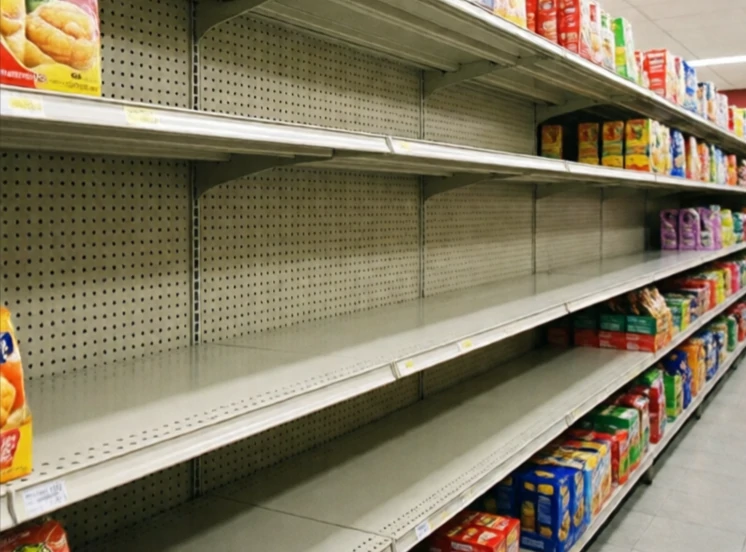
A customer looks for a specific size of a popular shoe and finds the shelf empty. That situation is a stockout. The product is unavailable for sale when demand exists.
Stockouts produce immediate lost sales and longer-term damage to loyalty. Causes include under-forecasting, supplier delays, theft, or poor replenishment execution. Retailers measure stockout rates and work to keep them low on high-priority items. Safety stock and better demand sensing are common remedies.
In omnichannel environments a store stockout may still be solved by shipping from another location or a distribution center. Communication to the customer about alternatives or restock dates can salvage the experience. Preventing stockouts on key items remains one of the highest-return operational goals.
- Situation in which demanded product is unavailable
- Causes lost sales and customer frustration
- Results from forecasting, supply, or process failures
- Measured and actively minimized by retailers
Comments
No comments yet. Be the first to share a thought.
Leave a comment