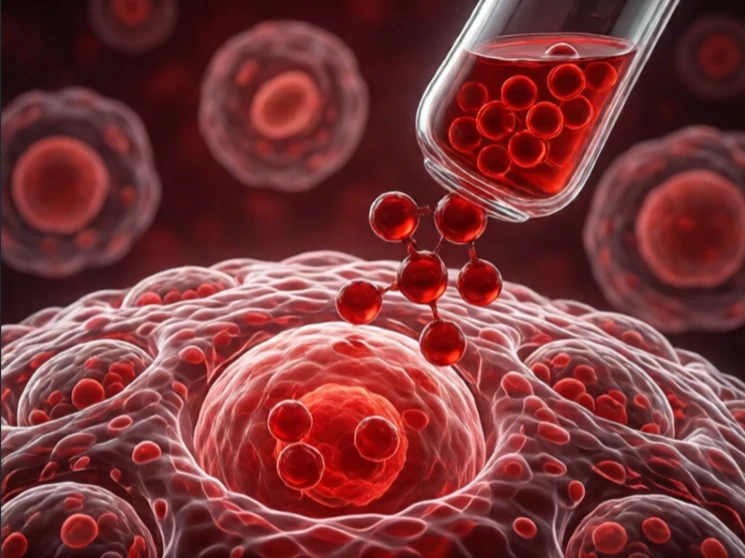
Glucose is the simple sugar that circulates in the blood and serves as the primary energy source for the body’s tissues, especially the brain. Neurons depend almost exclusively on a steady supply of glucose.
Blood glucose levels are regulated by insulin and glucagon from the pancreas. After a meal, insulin promotes the uptake of glucose into cells and its storage as glycogen. Between meals, glucagon releases stored glucose back into the blood. The brain monitors glucose availability; low levels trigger hunger and mobilize stress hormones. Extreme hypoglycemia can produce confusion, seizures, and loss of consciousness because neural tissue is starved of fuel.
In psychology, glucose has been studied in relation to self-control, attention, and decision making. Some research suggests that acts of effortful control temporarily reduce available glucose, and that restoring it can replenish the capacity for further effort. The findings remain debated, yet they illustrate the tight coupling between metabolic state and cognitive performance.
When the brain works, it burns glucose. Maintaining the supply is a continuous physiological priority.
Comments
No comments yet. Be the first to share a thought.
Leave a comment