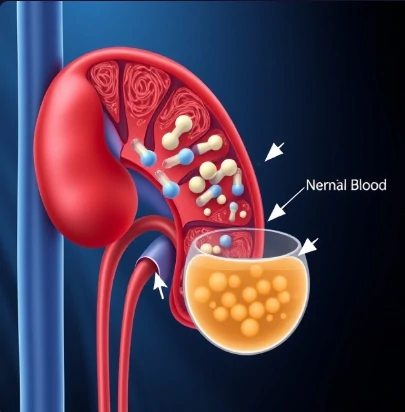
The body has no use for most drugs after they have done their job. Excretion is how it gets rid of them. The kidneys do most of the work, filtering drugs and their metabolites out of the blood and into urine. The liver adds a second route, packaging some drugs into bile that empties into the intestine and leaves in feces. Lungs, sweat, saliva, and breast milk handle smaller amounts.
Kidney function is the main determinant of how long a drug stays in the body. Patients with reduced kidney function may need lower doses or different drugs. Creatinine clearance, a simple blood test, estimates how well the kidneys are filtering and guides dosing decisions. Liver function matters too, especially for drugs that are metabolized before excretion. Both organs decline with age, which is why elderly patients often need adjusted doses.
Routes of excretion:
- Renal. Kidneys filter drugs into urine. The main route for most drugs.
- Biliary. Liver excretes drugs into bile, which enters the intestine.
- Pulmonary. Lungs exhale volatile drugs like anesthetics.
- Other. Sweat, saliva, tears, and breast milk.
Half-life is the time it takes for the body to eliminate half of a drug dose. It depends on both metabolism and excretion, and it determines how often a drug must be taken.
Comments
No comments yet. Be the first to share a thought.
Leave a comment