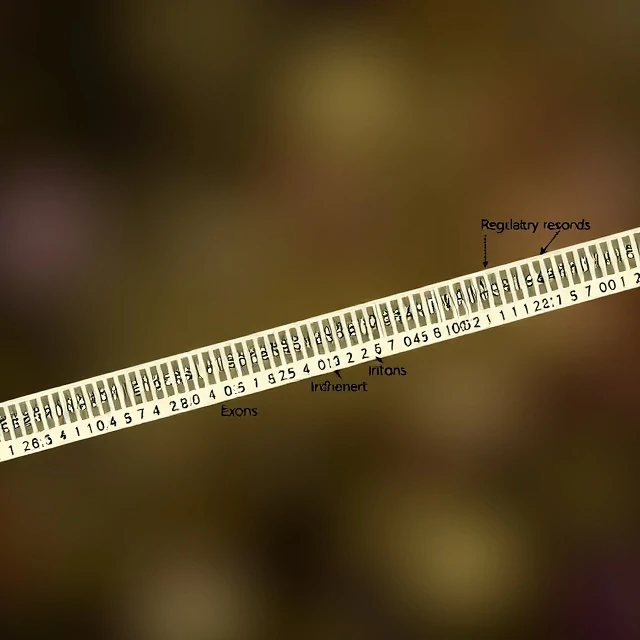
The instructions for building and maintaining an organism are written in DNA. Deoxyribonucleic acid is a long polymer of nucleotides, each consisting of a sugar, a phosphate group, and one of four bases—adenine, thymine, cytosine, or guanine. Two complementary strands form a double helix held together by base pairing.
Adenine pairs with thymine, cytosine with guanine. The sequence of bases encodes genes and regulatory information. DNA replicates semi-conservatively so that each daughter cell receives an accurate copy. Damage is constantly repaired by cellular machinery.
In eukaryotes most DNA resides in the nucleus, packaged with proteins into chromosomes. Mitochondria carry a small circular genome as well. Techniques that read, copy, and edit DNA underpin modern genetics, forensics, and biotechnology. The molecule’s stability and information density make it the universal genetic material of cellular life.
- Molecule carrying genetic instructions
- Double helix of complementary strands
- Bases pair specifically A-T and C-G
- Packaged into chromosomes in eukaryotes
Comments
No comments yet. Be the first to share a thought.
Leave a comment