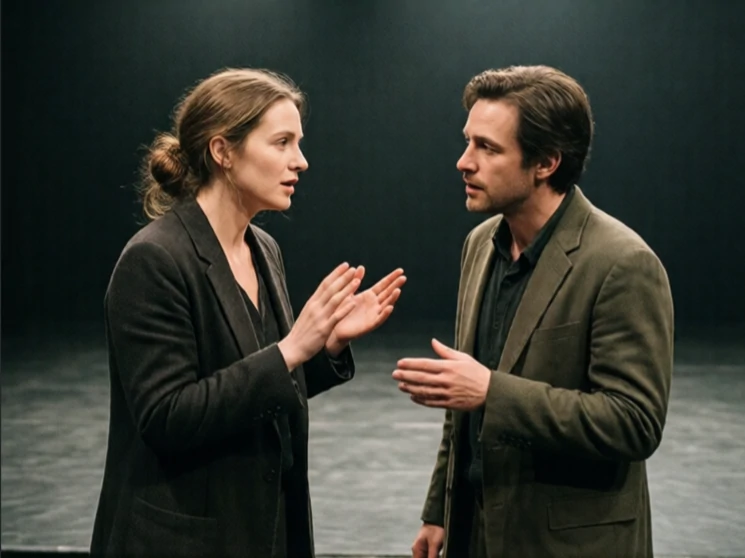
Dramatic poetry presents a story or situation through the speech of one or more characters rather than through third-person narration. It occupies the border between lyric and drama.
The dramatic monologue is the most familiar modern type, but the category also includes verse plays, dialogue poems, and any poem in which the voice belongs to a character distinct from the poet. The emphasis falls on voice, occasion, and the revelation of character through speech. Readers overhear rather than being directly addressed by the author.
Dramatic poetry allows the exploration of perspectives the poet does not necessarily share. It can stage conflict, irony, and psychological complexity within the compressed form of verse. Performance is often implied; many dramatic poems gain force when read aloud or staged. The genre has flourished whenever poets have wanted the intensity of lyric without the limitation of a single autobiographical voice.
When a poem speaks through invented characters rather than in the poet’s own person, it is dramatic poetry.
Comments
No comments yet. Be the first to share a thought.
Leave a comment