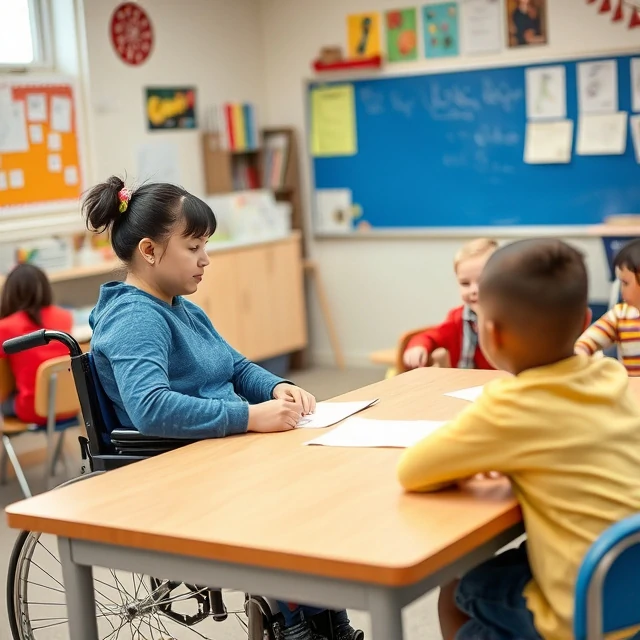
Inclusive education means teaching all students together, regardless of ability, background, or disability. The goal is to remove barriers so every child can learn in the same classroom. It is not about lowering standards. It is about providing support so standards are reachable.
The movement grew from special education reforms. For decades, students with disabilities were taught in separate rooms or schools. Advocates argued that segregation limited opportunities and reinforced stigma. Laws in many countries now require inclusion, though implementation varies widely.
Inclusive classrooms use a range of strategies: differentiated instruction, assistive technology, paraprofessionals, and flexible seating. Teachers need training and time. Without resources, inclusion can become a slogan rather than a practice. When it works, students of all abilities benefit.
Key supports
- Differentiated instruction
- Assistive technology
- Special education staff in class
- Universal design for learning
- Positive behavior support
Comments
No comments yet. Be the first to share a thought.
Leave a comment