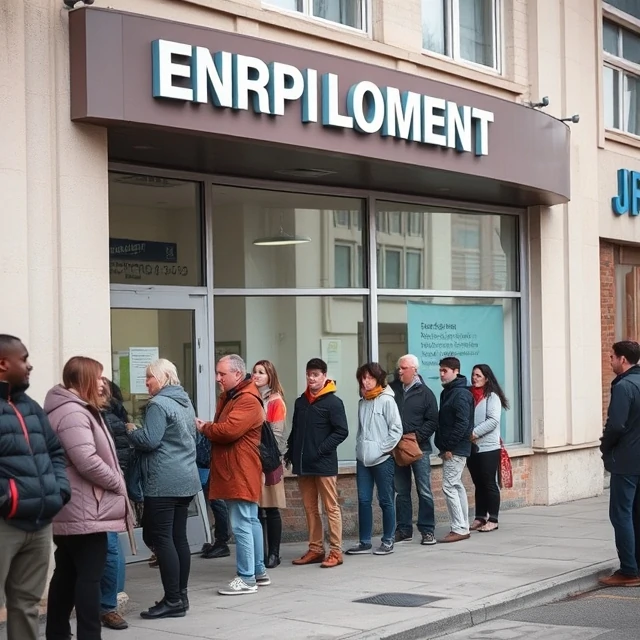
Factories slow down. Stores report weaker sales. Unemployment claims rise. A recession is a significant decline in economic activity spread across the economy, lasting more than a few months. The most common rule of thumb is two consecutive quarters of falling GDP, though the official dating in the United States comes from a committee at the National Bureau of Economic Research, which looks at employment, income, and production as well.
Recessions vary in length and severity. The 2007 to 2009 recession was the worst since the Great Depression, with unemployment peaking near 10 percent in the United States. The 2020 recession was the shortest on record, lasting only two months, but it was also the sharpest, as lockdowns shut down entire industries. Most recessions fall somewhere in between.
What causes them? Often a combination of shocks. A financial crisis freezes credit. An oil price spike raises costs. A pandemic disrupts supply chains. A burst asset bubble destroys wealth. Central banks respond by cutting interest rates. Governments spend more and tax less. These tools can shorten and soften a recession, but they cannot prevent one entirely. The business cycle has not been repealed.
Recession indicators
- Falling GDP for two or more quarters
- Rising unemployment
- Declining industrial production
- Falling retail sales
- Weakening consumer confidence
Comments
No comments yet. Be the first to share a thought.
Leave a comment