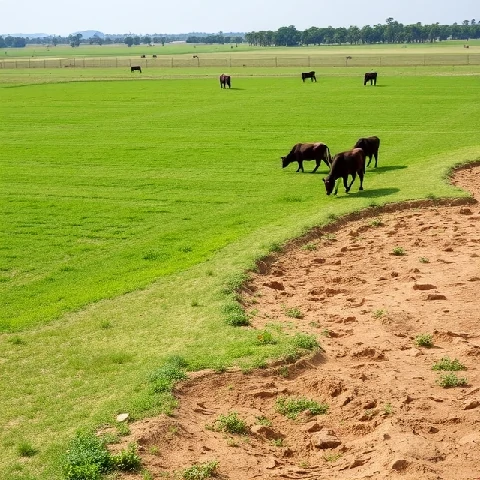
Carrying capacity is the maximum population size an environment can sustain over time. It depends on available food, water, shelter, and space, as well as the waste the population produces. When a population is below carrying capacity, it tends to grow. When it exceeds the limit, resources run short, and the population declines through starvation, disease, or emigration. The concept comes from range management, where it describes how many cattle a pasture can support without degradation.
Carrying capacity is not fixed. It changes with seasons, technology, and human intervention. Irrigation can raise the capacity of dry land. Soil erosion can lower it. For humans, carrying capacity is complicated by trade. A city can exceed its local capacity by importing food and exporting waste. That makes the global carrying capacity for humans a matter of energy, agriculture, and distribution rather than a simple local limit. Estimates vary widely, from a few billion to over ten billion, depending on assumptions about consumption and technology.
What shapes carrying capacity
- Food and water availability.
- Space and habitat quality.
- Predators, disease, and competition.
- Waste accumulation and pollution.
Populations often overshoot carrying capacity before declining. The pattern, called a boom-bust cycle, appears in deer herds, insect outbreaks, and yeast in a wine vat.
Comments
No comments yet. Be the first to share a thought.
Leave a comment