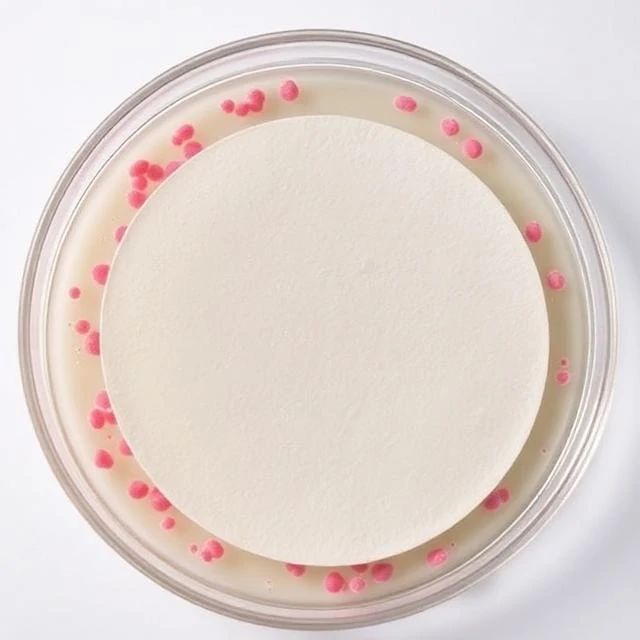
Alexander Fleming returned from vacation in 1928 to find a mold growing on a petri dish of staphylococci. Around the mold, the bacteria had died. He had discovered penicillin. The antibiotic era began, and with it, a revolution in medicine. Infections that had killed millions became treatable. Surgery, chemotherapy, and organ transplants became possible because doctors could control infection.
Antibiotics work in several ways. Some, like penicillin, break down the bacterial cell wall. Others block protein synthesis, DNA replication, or folate metabolism. They are selective, targeting structures that human cells do not have. That is why they can kill bacteria without killing us. They do not work against viruses, which is why they are useless for colds and flu.
The problem is resistance. Bacteria evolve. Every time an antibiotic is used, it selects for survivors that can withstand it. Those survivors multiply, and the drug stops working. Overuse in medicine and agriculture has accelerated the process. Some infections are now resistant to every available antibiotic. The World Health Organization calls antimicrobial resistance one of the top ten global health threats.
New antibiotics are hard to find and unprofitable to develop. Most major pharmaceutical companies have abandoned the field. The pipeline is thin. The world needs new drugs, better stewardship, and rapid diagnostics to guide treatment.
Comments (6)
Leave a comment