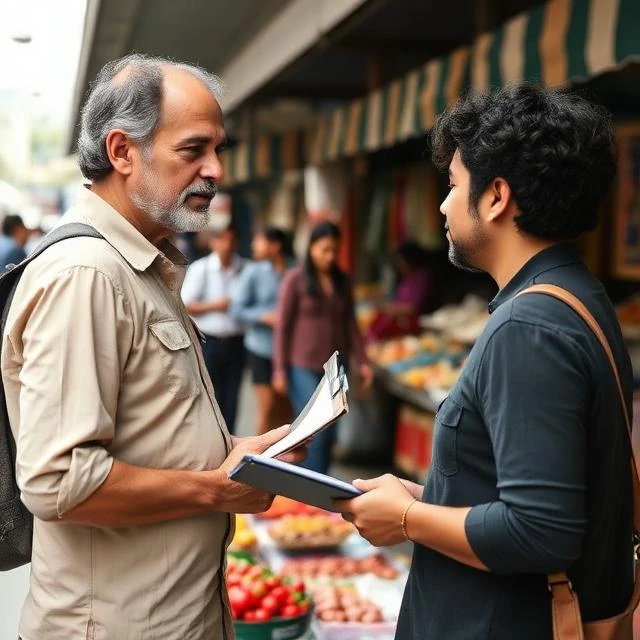
Not every anthropologist stays in the field writing monographs. Applied anthropology puts the discipline's methods to work on practical problems: designing public health campaigns, evaluating development projects, advising companies on user behavior, or helping museums consult source communities. The goal is not just to understand a situation but to act on it.
The field grew during the 20th century, especially in wartime and colonial administration, which left a complicated legacy. Today practitioners are more likely to work for NGOs, government agencies, hospitals, or tech firms. They conduct rapid ethnographies, run focus groups, map social networks, and translate cultural context for decision-makers who might otherwise miss it. Ethical tensions are common. The people studied may not be the people commissioning the research, and anthropologists must weigh whose interests they serve.
Where it shows up
- Public health: understanding why a vaccine campaign stalls.
- Development: adapting aid programs to local social structures.
- Business: studying how customers actually use a product.
- Heritage: returning artifacts and knowledge to descendant communities.
Good applied work still rests on core anthropological habits: listening closely, staying long enough to see past first impressions, and treating local knowledge as expertise rather than obstacle.
Comments
No comments yet. Be the first to share a thought.
Leave a comment