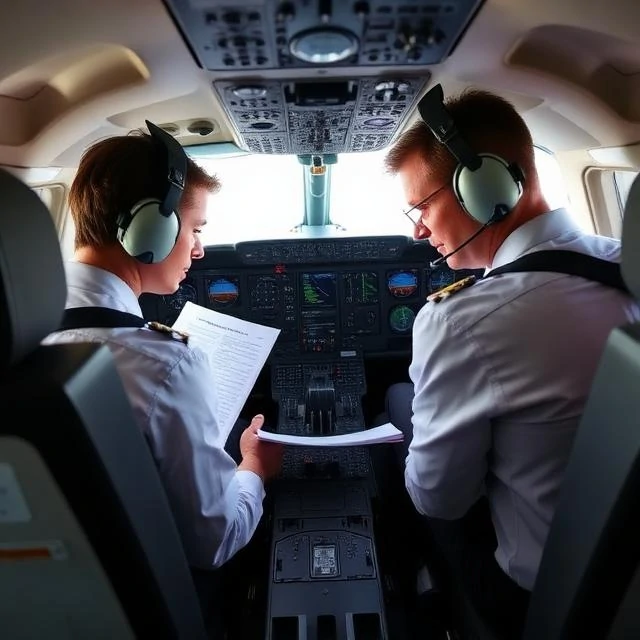
Most aviation accidents trace back to human decisions, not mechanical failure. Human factors studies how people interact with aerospace systems, covering workload, fatigue, perception, and error. The goal is designing systems that fit human limits rather than expecting people to exceed them.
Cockpit design, checklists, and crew resource management all emerged from this field. So did standard callouts, sterile cockpit rules, and limits on duty time. Each addresses a known weakness in how pilots perform under pressure.
Areas of study
- Situational awareness and attention
- Fatigue and circadian disruption
- Automation reliance and mode confusion
- Communication and team coordination
Spaceflight adds isolation, confinement, and long-duration stress. Mission planners now treat behavioural health as seriously as physical health on long missions.
Comments
No comments yet. Be the first to share a thought.
Leave a comment