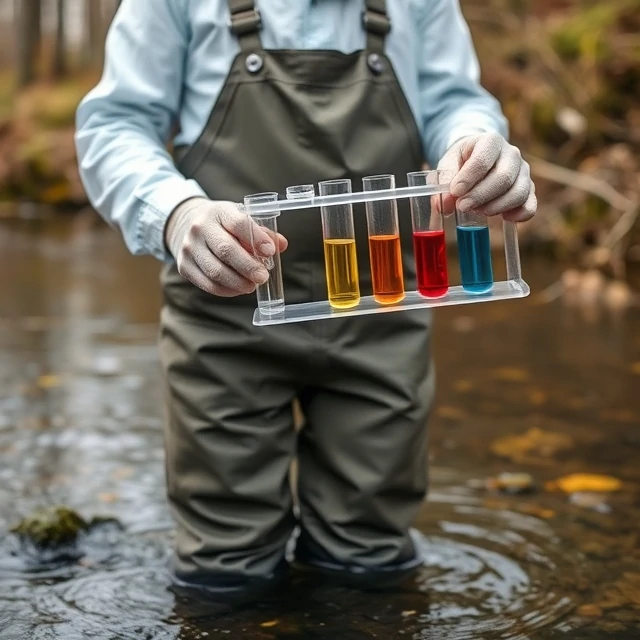
Not all water is the same. Some is safe to drink, some supports fish, some is too polluted for either. Water quality measures how suitable water is for a particular use. Drinking water has different standards than water for irrigation or recreation.
The Clean Water Act in the United States, passed in 1972, established the basic structure for regulating water pollution. Similar laws exist in other countries. Scientists measure dozens of parameters: temperature, pH, dissolved oxygen, turbidity, nutrient levels, bacteria, heavy metals, and more. Each tells a different part of the story.
Common water quality indicators
- Dissolved oxygen: essential for fish and aquatic life
- pH: measures acidity or alkalinity
- Turbidity: cloudiness from suspended particles
- Nitrates and phosphates: nutrients that can cause algal blooms
- Fecal coliform bacteria: signals sewage contamination
Water quality varies by location and season. A stream that runs clear in spring can turn green with algae by August. Heavy rain washes pollutants from streets and farms into rivers. Testing is usually done at specific points at specific times, which means the data is a snapshot, not the whole picture. Good monitoring programs sample regularly and across many sites.
Comments (2)
Leave a comment