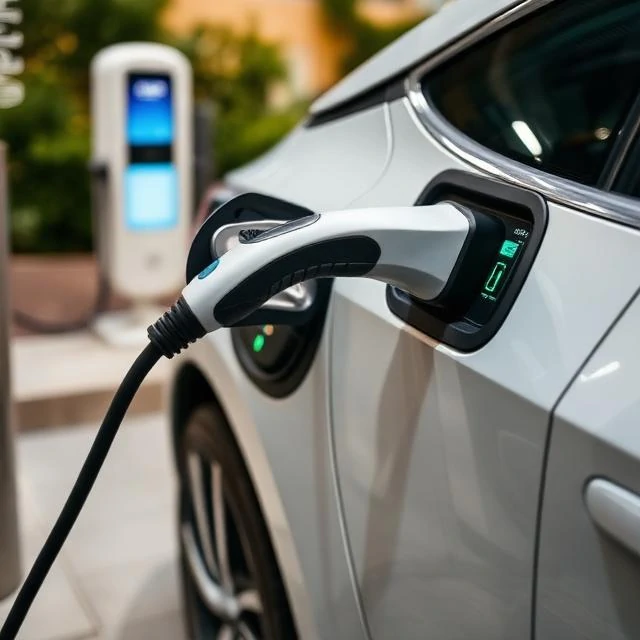
An electric vehicle runs entirely on electricity stored in a battery. It has no gasoline engine, no exhaust pipe, and no spark plugs. Plug it in, charge the battery, and the motor drives the wheels. The first EVs appeared in the 1890s, but they lost out to gasoline cars because of limited range and slow charging. They are back now, and the technology has changed everything.
Modern EVs use lithium-ion battery packs and permanent magnet or induction motors. Range has climbed from 80 miles to over 300 miles on a charge. Fast charging can add hundreds of miles in 20 minutes. The cost of ownership is lower because electricity is cheaper than gasoline and EVs need less maintenance. No oil changes, no transmission fluid, no exhaust repairs.
There are challenges. Charging infrastructure is uneven, especially in rural areas and apartment buildings. Cold weather reduces range. Battery production requires lithium, cobalt, and nickel, which raise environmental and ethical concerns. The grid must handle the extra load, though most charging happens overnight when demand is low.
EV sales are growing fast. In Norway, over 80 percent of new cars are electric. In China, EVs are mainstream. In the United States, adoption is slower but accelerating. The transition is underway, and it is reshaping the auto industry.
Comments
No comments yet. Be the first to share a thought.
Leave a comment