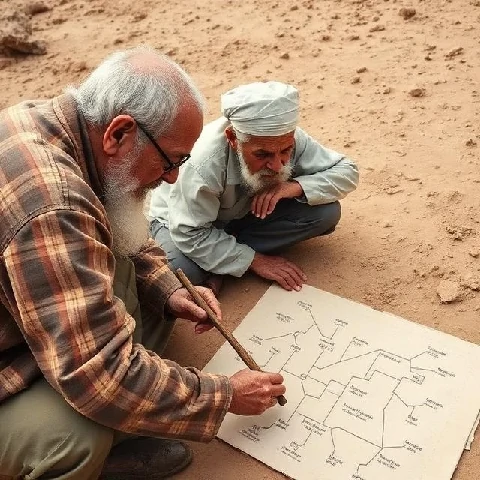
Linia to grupa potomków, której członkowie wywodzą się od wspólnego przodka, zazwyczaj osoby rzeczywistej, żyjącej kilka pokoleń później. W przeciwieństwie do klanu, który często powołuje się na mitycznego założyciela, linia zazwyczaj potrafi wyrecytować swoją nazwę genealogiczną z imienia i nazwiska. Ta precyzja ma znaczenie. Decyduje ona, kto dziedziczy ziemię, kto jest zobowiązany do dziedziczenia majątku po narzeczonym i z kim należy się skonsultować przed zawarciem małżeństwa.
Linie rodowe są zazwyczaj unilinearne, co oznacza, że przynależność przechodzi albo przez linię matki, albo przez linię ojca, a nie przez obie. Wśród Tivów w Nigerii linie patrylinearne dzielą się na mniejsze i większe gałęzie, które mogą się rozszerzać lub rozdzielać wraz ze wzrostem populacji. Spór między dwoma rodzinami może zostać rozstrzygnięty przez starszyznę z ich wspólnej linii. Jeśli konflikt się nasila, wkracza wyższy segment linii.
Cechy wspólne
- Udowodniona genealogia, nie mityczna.
- Własność korporacyjna ziemi, stad lub praw rytualnych.
- Rozwiązywanie wewnętrznych sporów przez starszych członków.
- Zdolność do podziału na mniejsze segmenty.
Linie rodowe to nie tylko drzewa genealogiczne. To jednostki prawne i polityczne, które posiadają własność, rozstrzygają spory i organizują kolektywną pracę.
Comments (3)
Leave a comment