A cell tower does not connect directly to the internet. It sends traffic to a central point through a backhaul connection. Backhaul is the connection between core network and edge sites. It carries voice and data from base stations, access points, and remote sites back to the core.
Backhaul was once microwave links between towers. Then fiber became common. Now a mix of fiber, microwave, and satellite serves different sites. Urban towers often have fiber. Rural towers may rely on microwave. Satellite backhaul serves remote islands and ships.
Backhaul technologies
- Fiber: high capacity, low latency
- Microwave: wireless, quick to deploy
- Millimeter wave: very high capacity, short range
- Satellite: remote coverage, higher latency
- Copper: legacy, limited capacity
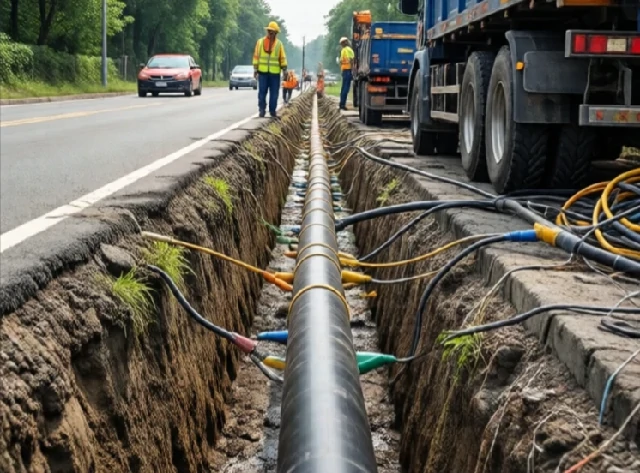
Backhaul is a bottleneck in mobile networks. A 5G tower with massive capacity is useless if its backhaul is a slow microwave link. Upgrading backhaul is expensive. It often involves digging trenches or installing new radios. The edge gets the attention. The backhaul does the work.
Comments
No comments yet. Be the first to share a thought.
Leave a comment