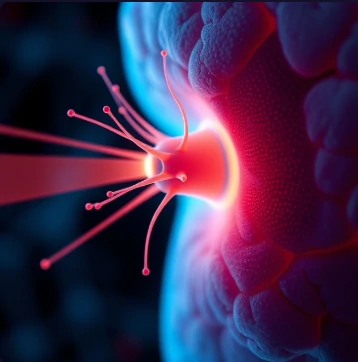
Sensation is the process by which sensory receptors and the nervous system detect physical energy from the environment and encode it as neural signals. Light strikes the retina; sound waves vibrate the basilar membrane; pressure deforms skin receptors. The resulting patterns of neural activity constitute the raw data of experience.
Each sense has specialized receptors tuned to particular forms of energy. Absolute thresholds mark the minimum intensity required for detection on half the trials. Difference thresholds mark the smallest detectable change. Sensory adaptation reduces sensitivity to constant stimulation, allowing the system to focus on change.
Sensation is distinct from perception. Sensation supplies the data; perception organizes and interprets them. A pure sensory experience without any interpretive overlay is rare in adult life, yet the conceptual separation remains useful for research and for understanding disorders that affect one stage more than the other.
- Detection of physical energy
- Transduction into neural signals
- Absolute and difference thresholds
- Sensory adaptation
Without reliable sensation, higher perceptual and cognitive processes would lack input.
Comments (2)
Leave a comment