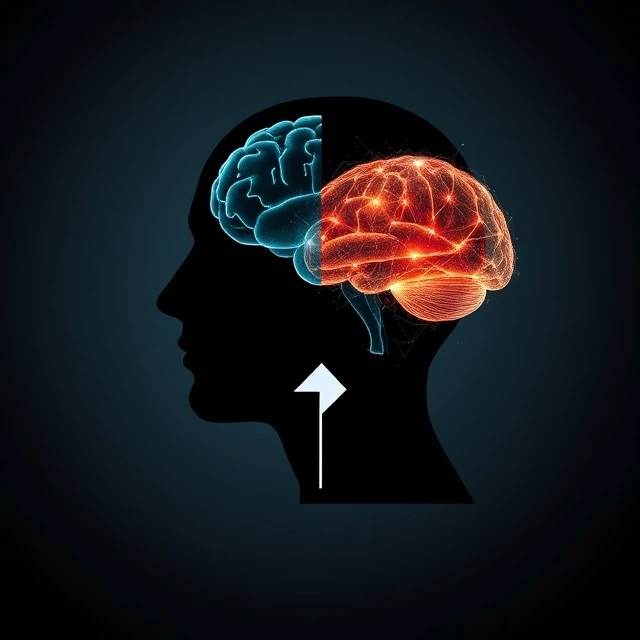
You decide to raise your arm, and your arm rises. How? The decision is a mental event. The movement is a physical event. How does the mental cause the physical? That question is the mind-body problem, and it has troubled philosophers since Descartes. He argued that mind and body are distinct substances, but he could not explain how they interact. He suggested the pineal gland, but that only pushed the question back. If the mind is immaterial, how does it move matter?
The problem has several proposed solutions. Dualism holds that mind and body are distinct. Physicalism holds that mental states are physical states. Idealism holds that reality is fundamentally mental. Functionalism holds that mental states are defined by their causal roles, not by their substance. Eliminative materialism holds that mental states do not exist in the way we think they do. Each position has problems. Dualism struggles with interaction. Physicalism struggles with consciousness. Functionalism struggles with qualia. The problem is not just philosophical. It bears on artificial intelligence, animal consciousness, and the nature of mental illness. The question of how mind and body relate is also a question about what we are.
Positions on the problem
- Dualism. Mind and body are distinct substances.
- Physicalism. Mental states are physical states.
- Idealism. Reality is fundamentally mental.
- Functionalism. Mental states are causal roles.
The mind-body problem is not solved. It is one of the deepest and most persistent questions in philosophy.
Comments
No comments yet. Be the first to share a thought.
Leave a comment