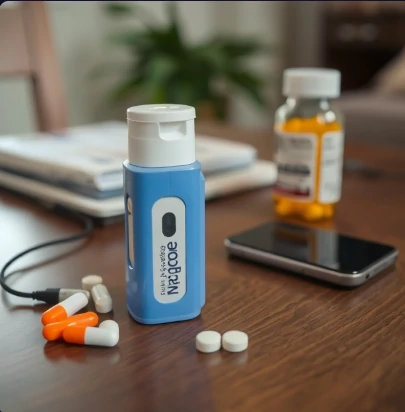
Take too much of a drug and the body's systems can fail. That is an overdose, and it can happen with prescription medications, over-the-counter products, or illegal substances. The effects depend on the drug. Opioids slow breathing until it stops. Acetaminophen destroys the liver. Benzodiazepines cause sedation and respiratory depression. Stimulants raise heart rate and blood pressure to dangerous levels. Alcohol, often combined with other drugs, worsens the risk.
Some overdoses are accidental. A patient takes a double dose by mistake, or a child finds a pill bottle. Some are intentional, as a form of self-harm. Some happen because of drug interactions that raise blood levels. Naloxone, an opioid antagonist, can reverse an opioid overdose and is available as a nasal spray or injection. It has saved thousands of lives. There is no universal antidote for other overdoses, though specific treatments exist for some, like acetylcysteine for acetaminophen.
What to do in an overdose:
- Call emergency services. Do not wait to see if symptoms improve.
- Stay with the person. Keep them awake and monitor breathing.
- Give naloxone if opioids are suspected. It is safe and can be repeated.
- Bring the medication bottle. It helps responders know what was taken.
Overdose deaths in the United States have risen sharply, driven largely by synthetic opioids like fentanyl. Harm reduction programs and naloxone distribution are part of the response.
Comments
No comments yet. Be the first to share a thought.
Leave a comment