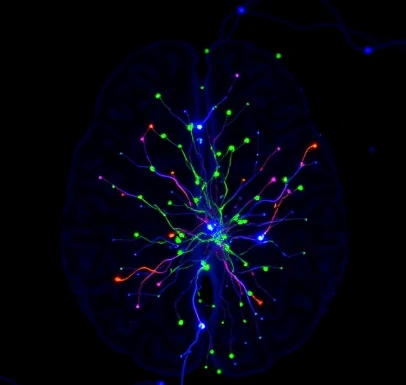
For much of the twentieth century the adult mammalian brain was thought incapable of generating new neurons. That view has been revised. Neurogenesis—the birth of new neurons—continues in restricted regions, most notably the dentate gyrus of the hippocampus and the subventricular zone that supplies the olfactory bulb.
Neural stem cells divide and produce intermediate progenitors that differentiate into neurons, which then migrate, mature, and integrate into existing circuits. The process is regulated by experience, stress, exercise, and many molecular signals. New hippocampal neurons appear to contribute to certain forms of learning and to the regulation of mood.
Whether significant neurogenesis occurs in the adult human neocortex remains debated. Even limited adult neurogenesis, however, opens possibilities for repair after injury and for understanding how the brain remains plastic throughout life. Enhancing or directing the process is an active therapeutic goal.
Labeling techniques that mark dividing cells have made the phenomenon visible and quantifiable.
Comments
No comments yet. Be the first to share a thought.
Leave a comment